

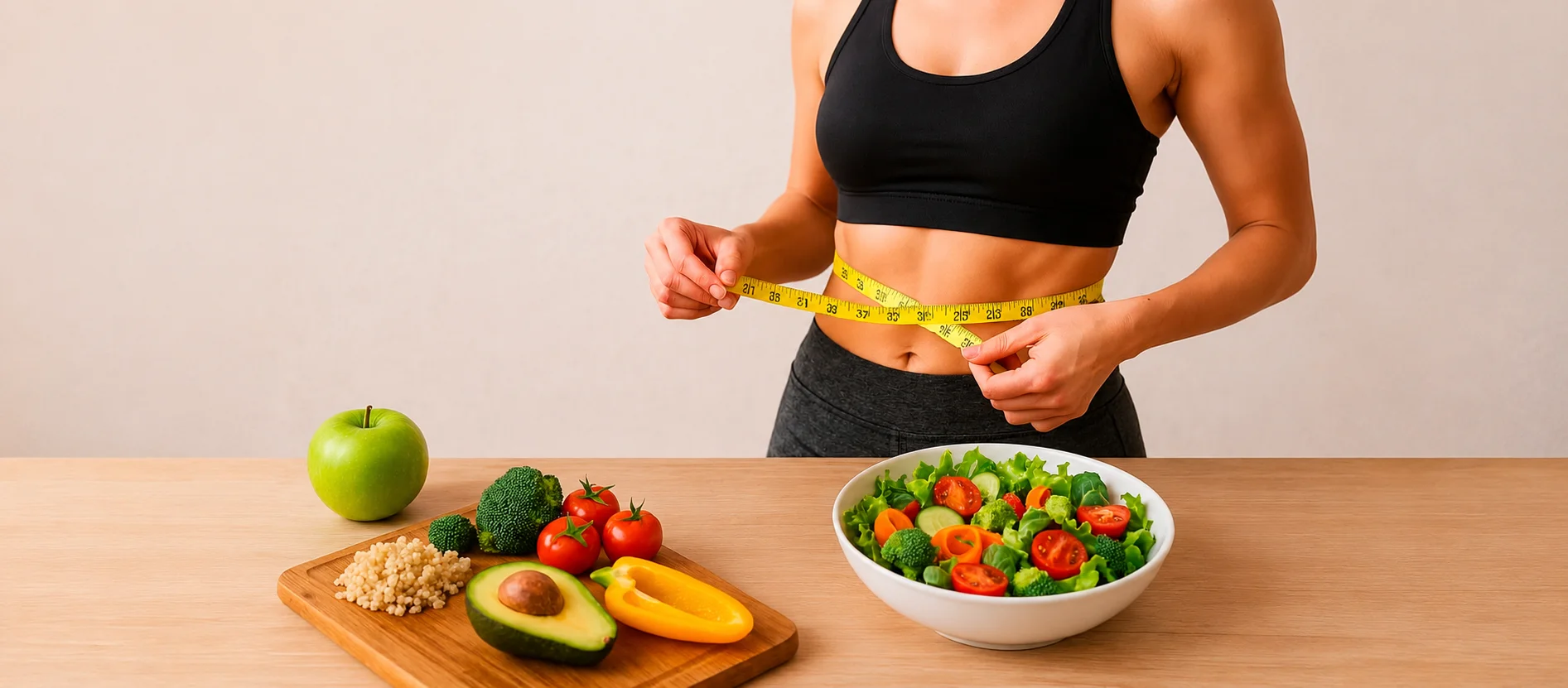
You may imagine strict meal plans, cutting out entire food groups, or spending hours in the gym, when you think about losing fat. These approaches do produce short-term results; these methods are rarely sustainable. More importantly, you may end up feeling frustrated, exhausted, and ready to give up, with these methods.
Here’s some good news for you. Dieting is not always the only way for successful fat loss. In fact, you may be able to achieve lasting results, when you make small, consistent improvements to your daily routine. Easy to maintain and clearly fitting your busy lifestyles, these simple habits can create a foundation for long-term success.
Are you looking for a practical way to support your fat loss journey? Then read this article to understand the 10 everyday habits that can help you cruise towards your goal, without feeling deprived.
1. Prioritize Protein at Every Meal
One of the highly valuable nutrients, protein helps you lose body fat. With protein, you tend to feel fuller for longer, while supporting muscle maintenance. Besides, it requires more energy to digest than carbohydrates and fats.
Don’t focus on what to eliminate from meals, rather think about what you can add. You must look to include quality protein sources of protein at breakfast, lunch, dinner, and even snacks. This can help in naturally reducing hunger throughout the day.
Some excellent protein options include:
- Eggs
- Greek yoghurt
- Chicken
- Fish
- Lean beef
- Cottage cheese
- Tofu
- Lentils
- Beans
You must build your meals around proteins to ensure that better eating habits feel much easier.
2. Drink More Water Throughout the Day
A surprisingly important role is played by hydration in fat loss. People often mistake thirst for hunger, resulting in unnecessary snacking, even when body actually needs water. You may feel more satisfied, if you’re drinking water before meals. It makes portion control easier, without conscious restrictions.
Place a reusable water bottle at your desk, in your car, or even in your bag. This serves you as a reminder that you need to stay hydrated throughout the day. There’s no doubt that individual needs vary, but remember that instead of chasing specific numbers, you must ensure consistency, which actually matters.
3. Walk More Than You Think You Need To
Doing intense cardio for fat loss is a mistake that a majority of people make. You don’t need to do that. One of the highly accessible forms of physical activity is walking. Besides, it can contribute significantly to the daily calorie expenditure of your body. Compared to many high impact exercises, it also tends to place less stress on your joints.
Simple steps that can help in increasing your daily steps include the following:
- Taking the stairs
- Parking slightly farther away
- Walking during phone calls
- Taking short walks after meals
- Walking to nearby shops instead of driving
Over weeks and months, these small decisions accumulate, which makes meaningful differences altogether.
4. Eat Slowly and Mindfully
Fast eating is encouraged by modern living. We tend to eat while working, watching television, or scrolling through a phone. Unfortunately, your brain fails to recognize when you’re comfortably full, if you’re eating too quickly. Your body gets the time to register fullness signals, if you slow down. This allows you to enjoy your meals as well.
Some simple strategies to be included here are:
- Chewing thoroughly
- Putting utensils down between bites
- Removing distractions during meals
- Paying attention to hunger and fullness cues
Mindful eating is not just about flawlessness, it’s about becoming aware about how your body feels.
5. Get Consistent Sleep
When the discussion is about fat loss, sleep is an often-overlooked component. Nevertheless, sleep is an important aspect that influences factors related to appetite and recovery. You may feel hungrier due to poor sleep. Besides, it can reduce energy levels and make high calorie foods more appealing as well.
It also affects your motivation to exercise and prepare balanced meals. You can ensure better habits throughout an entire day, if you create a consistent bedtime routine. Helpful sleep habits include the following:
- Going to bed at similar times each night
- Reducing screen time before sleep
- Keeping the bedroom cool and quiet
- Avoiding heavy meals immediately before bedtime
Your physical and mental wellbeing depends on the quality of your sleep, more than you think.
6. Strength Train Two or Three Times Each Week
Associating fat loss with cardio is a common mistake that many people do! However, strength training can offer equally valuable benefits. You can maintain lean muscles with resistance exercises, while reducing body fat.
Overall metabolism is also maintained with muscles, as it also improves functional strength for daily activities. No need to buy expensive equipment or do advanced workouts. Bodyweight exercises, resistance bands, or basic gym equipment are enough for effective training.
Focus on the following movements:
- Squats
- Push ups
- Rows
- Lunges
- Deadlifts
- Shoulder presses
Far more than complexity, consistency holds the key to success.
7. Plan Meals Instead of Making Last Minute Decisions
Making correct choices is one of the biggest challenges during a fat loss journey, especially when you’re already hungry. When you plan your meals ahead of meal time, you’re less likely to rely on convenience food or even takeaway meals.
You don’t need elaborate preparation for meal planning. It can be as simple as:
- Preparing lunches the night before
- Cooking extra portions for leftovers
- Keeping correct snacks available
- Creating a weekly shopping list
A little preparation often removes unnecessary stress during busy weekdays.
8. Reduce Liquid Calories
Monitoring what you eat while overlooking what you drink is a classic mistake that’s slowing your fat loss process. Soft drinks, specialty coffees, sweetened teas, fruit juices, and alcoholic beverages, add up significant amounts of calories. Moreover, they don’t offer lasting fullness as well.
This doesn’t imply that you can’t ever enjoy your favorite drinks. Instead, consider these simple swaps:
- Water
- Sparkling water
- Black coffee
- Unsweetened tea
One of the easiest ways to create a calorie deficit without changing the rest of your diet dramatically is by reducing liquid calories.
9. Manage Stress Before It Manages You
Stress doesn’t just affect your mood. When you’re taking a lot of stress, you tend to experience stronger cravings for highly processed meals, larger portion sizes, and reduced motivation to stay active.
While you can’t eliminate stress, you can manage it more effectively.
Some important stress management habits include:
- Walking outdoors
- Practicing deep breathing
- Reading
- Journalling
- Spending time with family and friends
- Listening to music
- Engaging in hobbies
Looking after your mental wellbeing often makes appropriate eating feel much more manageable.
10. Focus on Consistency Rather Than Flawlessness
Perhaps the highly important habit of all is letting go of the all or nothing mindset. Many people abandon their fat loss goals after one indulgent meal or a missed workout. The reality is that one meal won't determine your success, just as one proper meal won't transform your body overnight.
Long term progress comes from repeating appropriate choices consistently. Some days will go exactly as planned. Others won't. What matters is returning to a correct routine instead of giving up altogether. Progress isn't measured by flawlessness. It's measured by persistence.
Why Small Habits Result in Big Results
One thing is common in many successful fat loss stories. These transformations aren’t dramatic and don’t happen in a few weeks. They’re truly built on habits that become part of everyday life.
When good habits become automatic, you will need less willpower and transformation feels less like a temporary program. Over time, such habits can influence the following:
- Food choices
- Physical activity
- Energy levels
- Recovery
- Confidence
- Overall lifestyle
The result is a better relationship with food and exercise, rather than constantly feeling like you're "on a diet."
Avoid Chasing Quick Fixes
The internet is full of products and programs promising rapid fat loss with minimal effort.
While these claims may sound appealing, sustainable progress usually comes from consistent daily behaviors rather than shortcuts.
Be cautious of approaches that encourage:
- Tremendously low-calorie diets
- Eliminating entire food groups without medical advice
- Over exercising
- Skipping meals regularly
- Relying on supplements instead of good habits
Good fat loss is rarely dramatic. It's steady, practical, and sustainable.
Creating a Routine That Works for You
Every individual has different schedules, responsibilities, and preferences. The effective fat loss routine is one that fits comfortably into your life. Instead of trying to adopt all ten habits at once, choose two or three that feel achievable today.
Once those habits become routine, gradually introduce another.
Final Thoughts
Fat loss doesn't require intense dieting, endless restrictions, or punishing workout routines. In many cases, the biggest changes come from small, consistent habits repeated day after day. Prioritizing protein, staying hydrated, walking more, sleeping well, planning meals, managing stress, and focusing on progress instead of flawlessness can make your journey feel far more sustainable.
If you're ready to make fat loss simpler, start with one habit today. Small improvements may seem insignificant at first, but they compound over time into meaningful, lasting results. And if you'd like personalized guidance, working with experienced fitness and nutrition professionals can help you create a realistic plan tailored to your lifestyle, making it easier to stay consistent and reach your goals with confidence.